BFT believes traders should understand simulated evaluations, trading concepts, and risk management before joining an evaluation program.
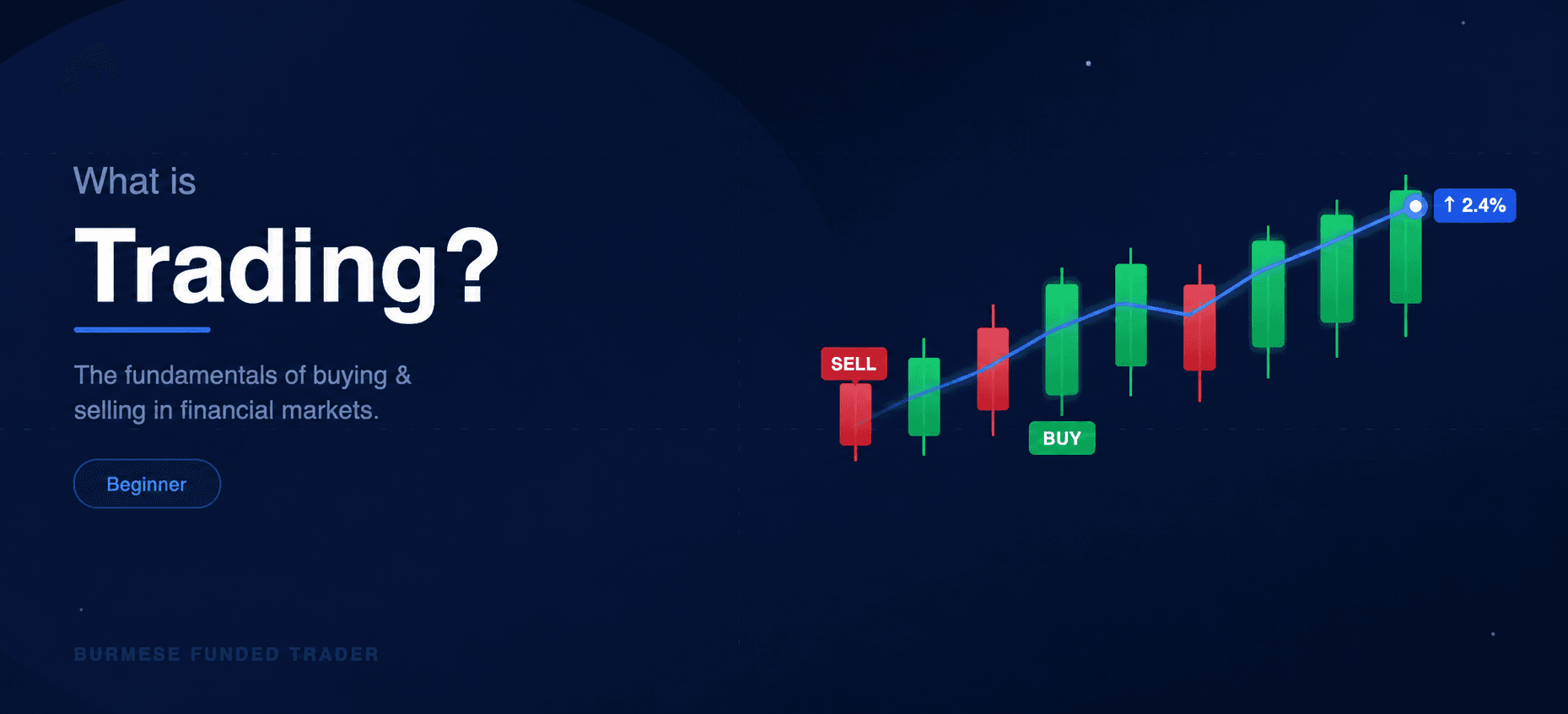
Trading is the process of buying and selling financial assets in the market. This guide explains how trading works, why people trade, and why risk management matters.
Read More →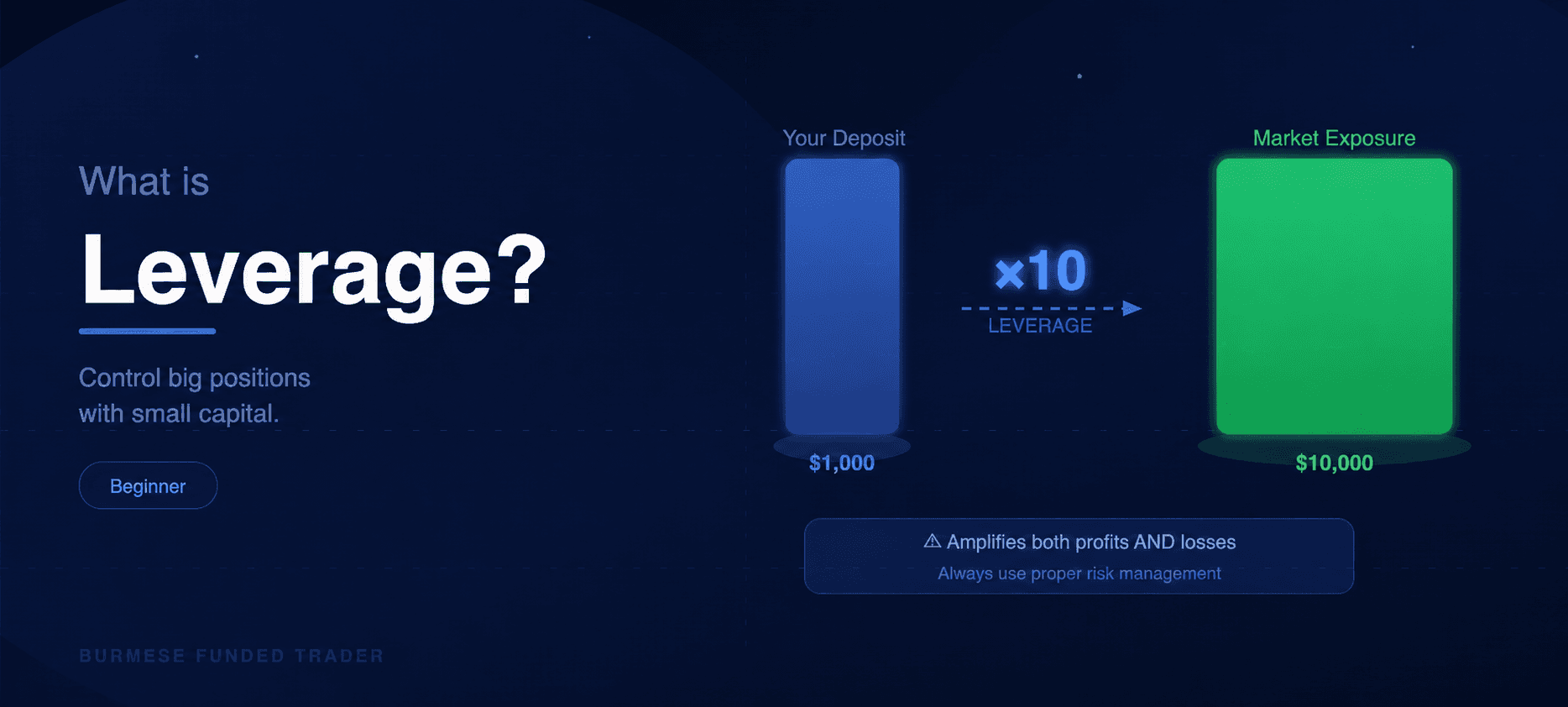
Leverage allows traders to control a larger market position with a smaller amount of capital. This guide explains how leverage works, why traders use it, and why it must be managed carefully.
Read More →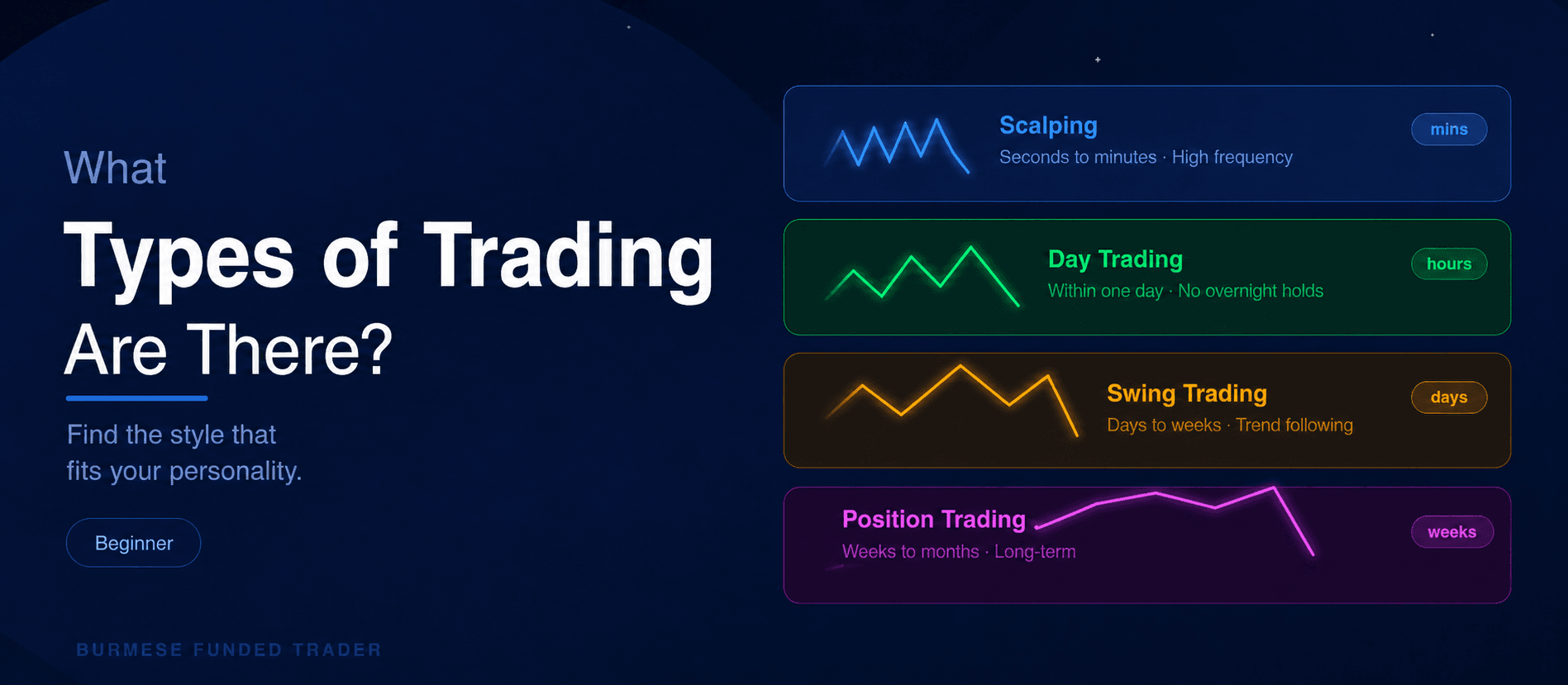
There are different types of trading based on market, time frame, and strategy. This guide explains the main trading types beginners should understand before choosing a trading style.
Read More →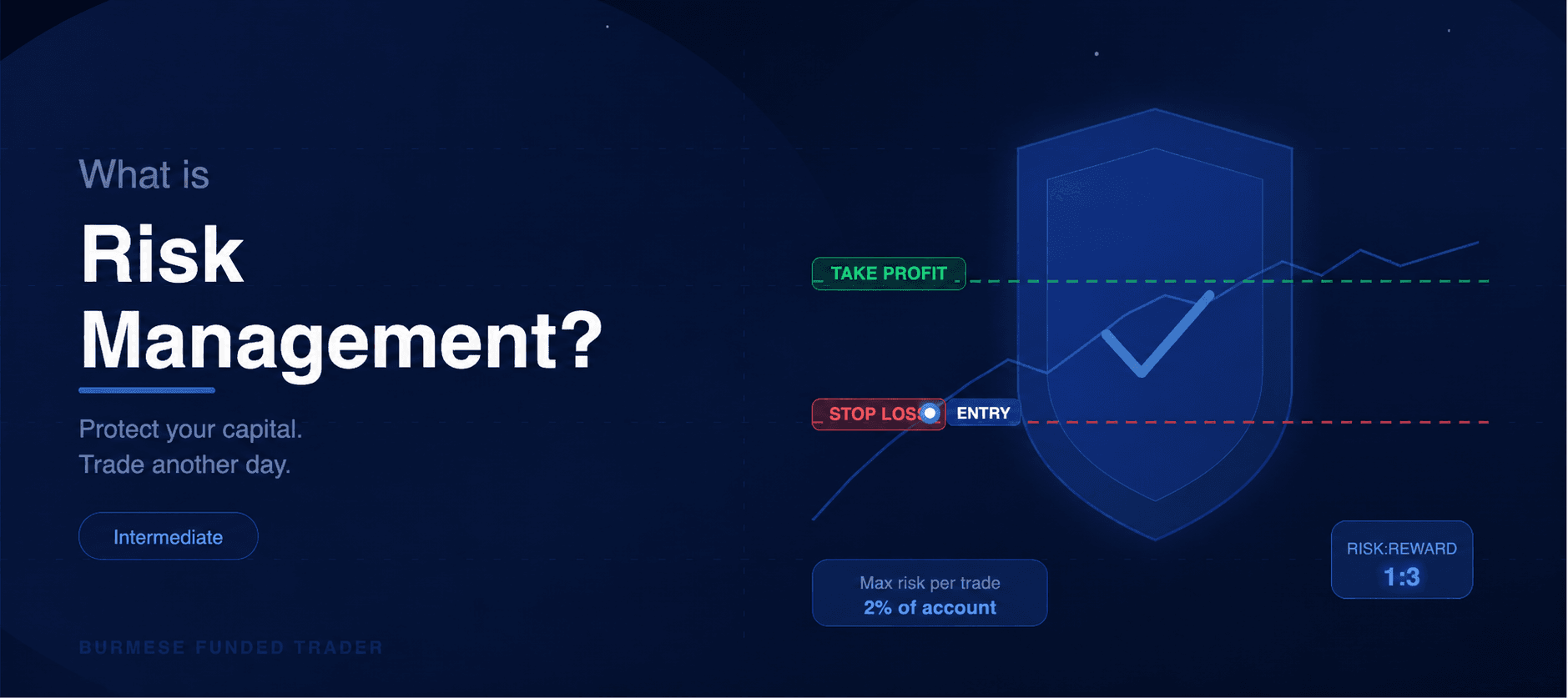
Risk management is the process of controlling how much a trader can lose before entering a trade. This guide explains why risk management matters and how traders use it to protect their accounts.
Read More →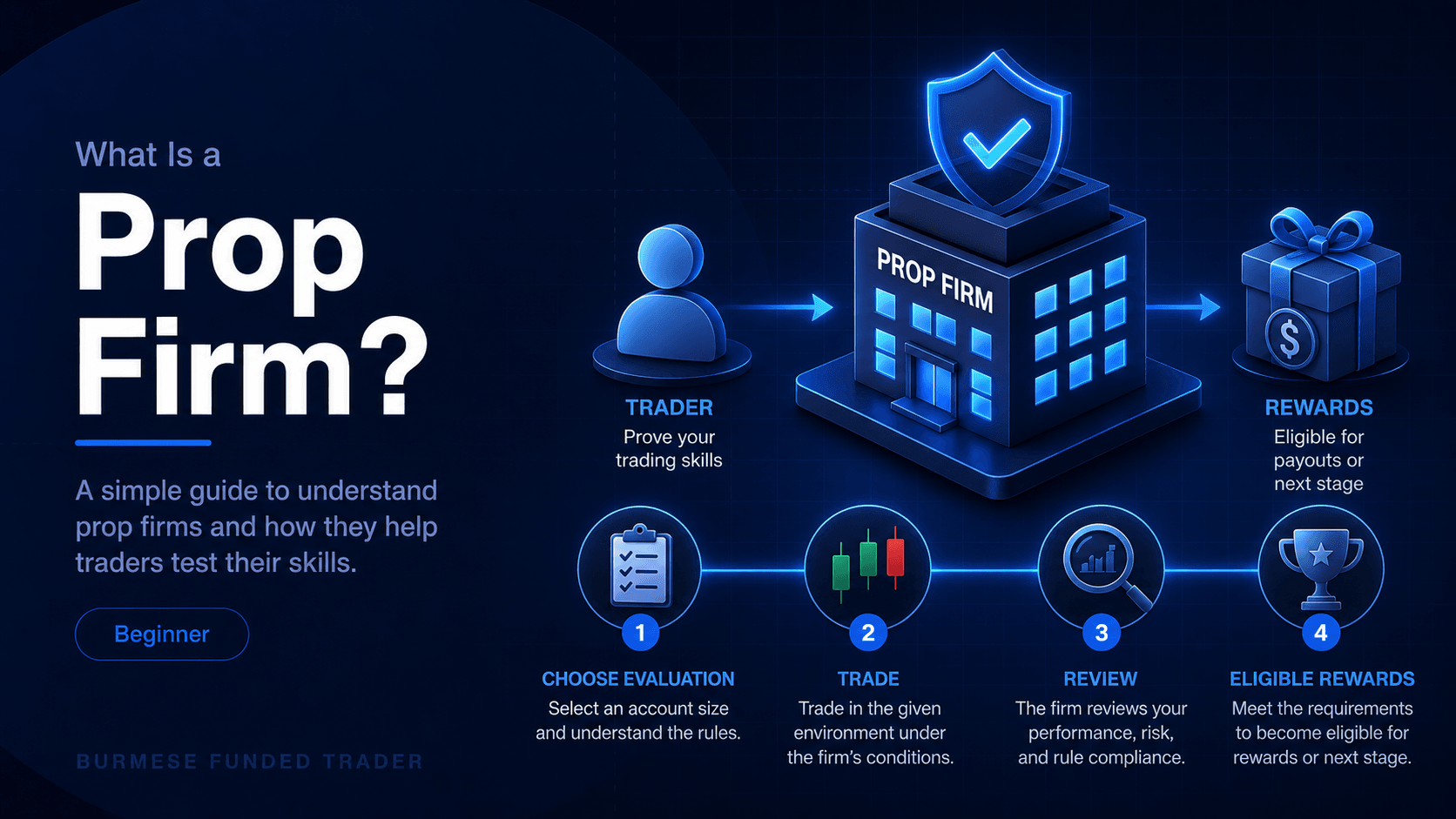
A prop firm gives traders a structured way to test their trading skills under firm rules. This guide explains prop firms in simple terms for complete beginners.
Read More →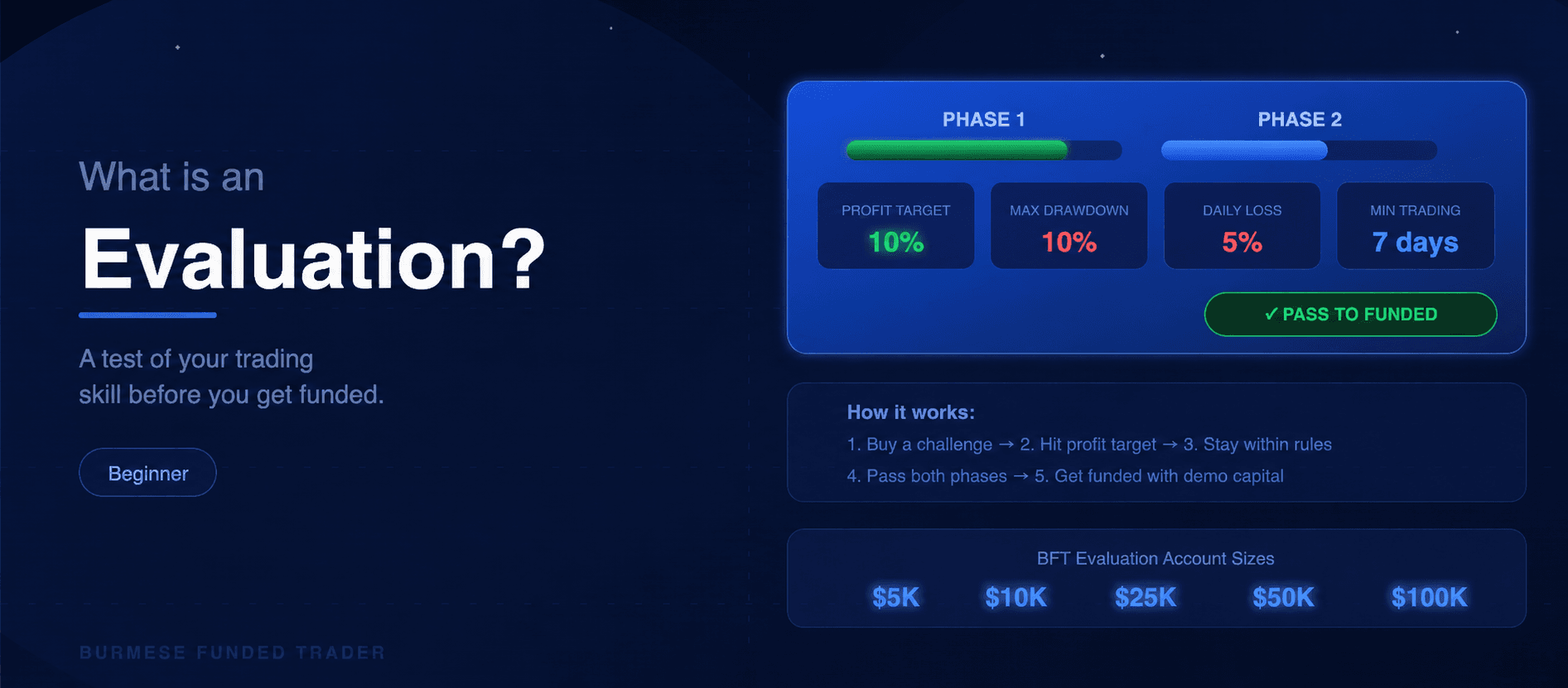
An evaluation(challenge) is a rules-based process where traders prove they can manage risk, follow account requirements, and trade with discipline before becoming eligible for the next stage.
Read More →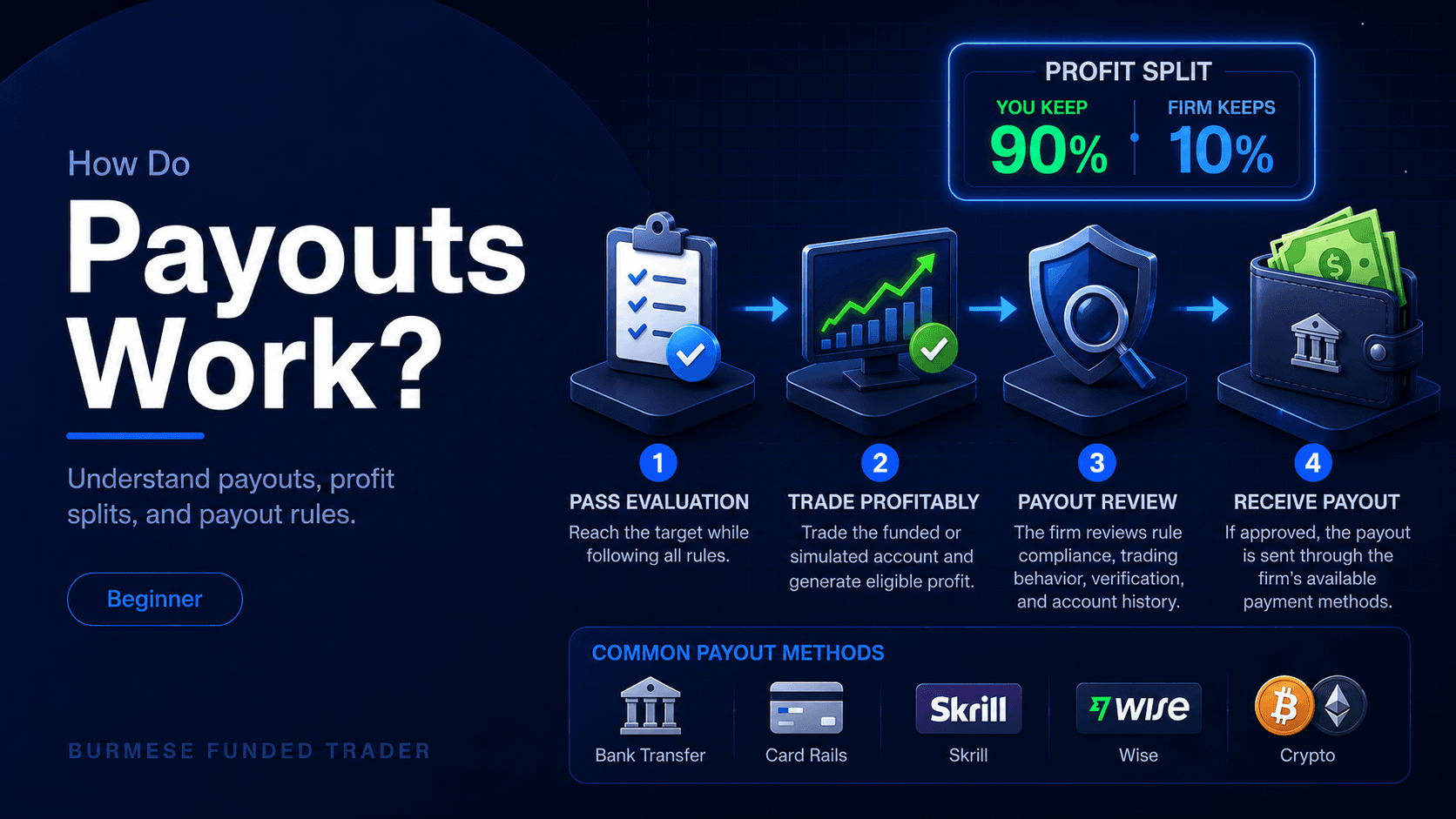
Prop firm payouts are rewards traders may receive after meeting account requirements and passing review. This guide explains profit splits, payout methods, payout rules, and common misunderstandings.
Read More →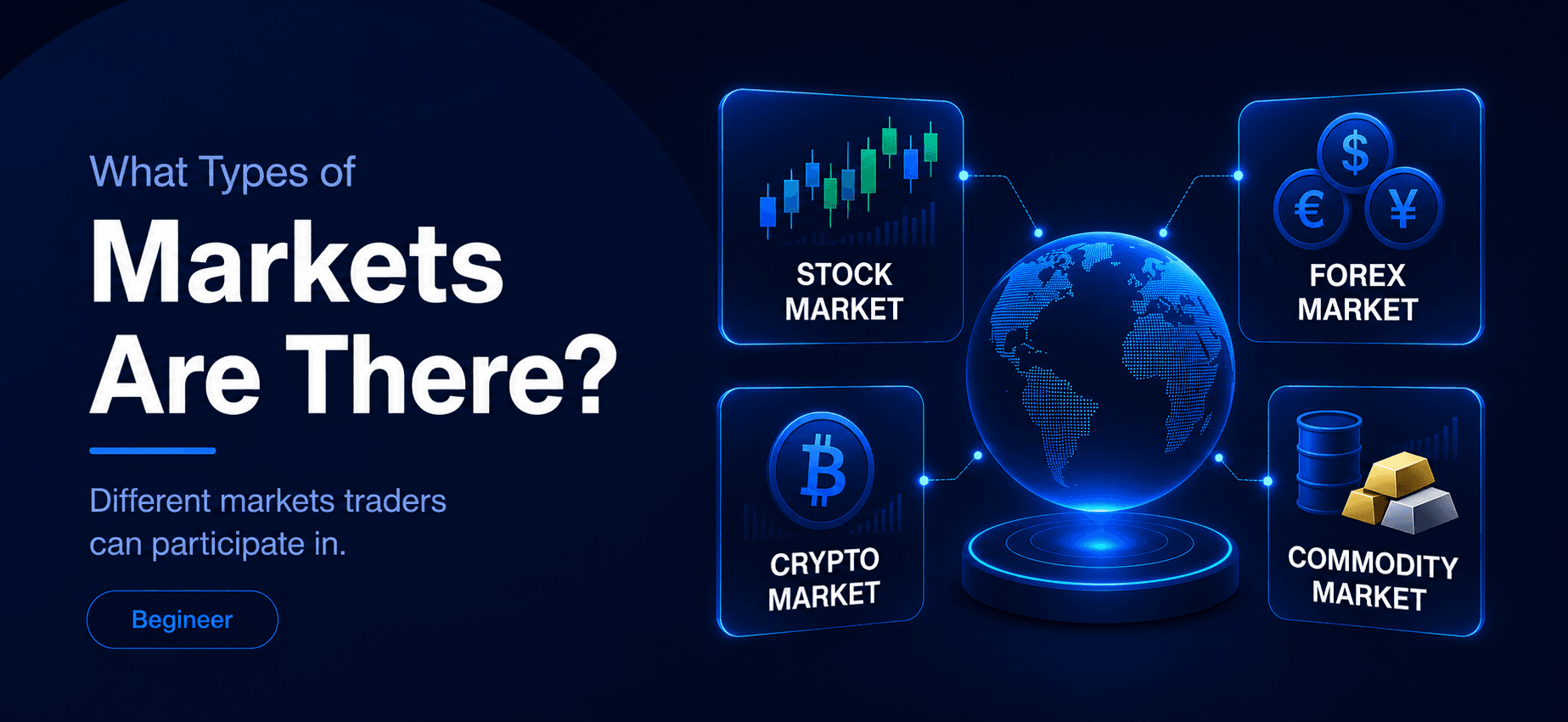
There are different markets traders can participate in, including stocks, forex, crypto, and commodities. This guide explains each market in simple terms for beginners.
Read More →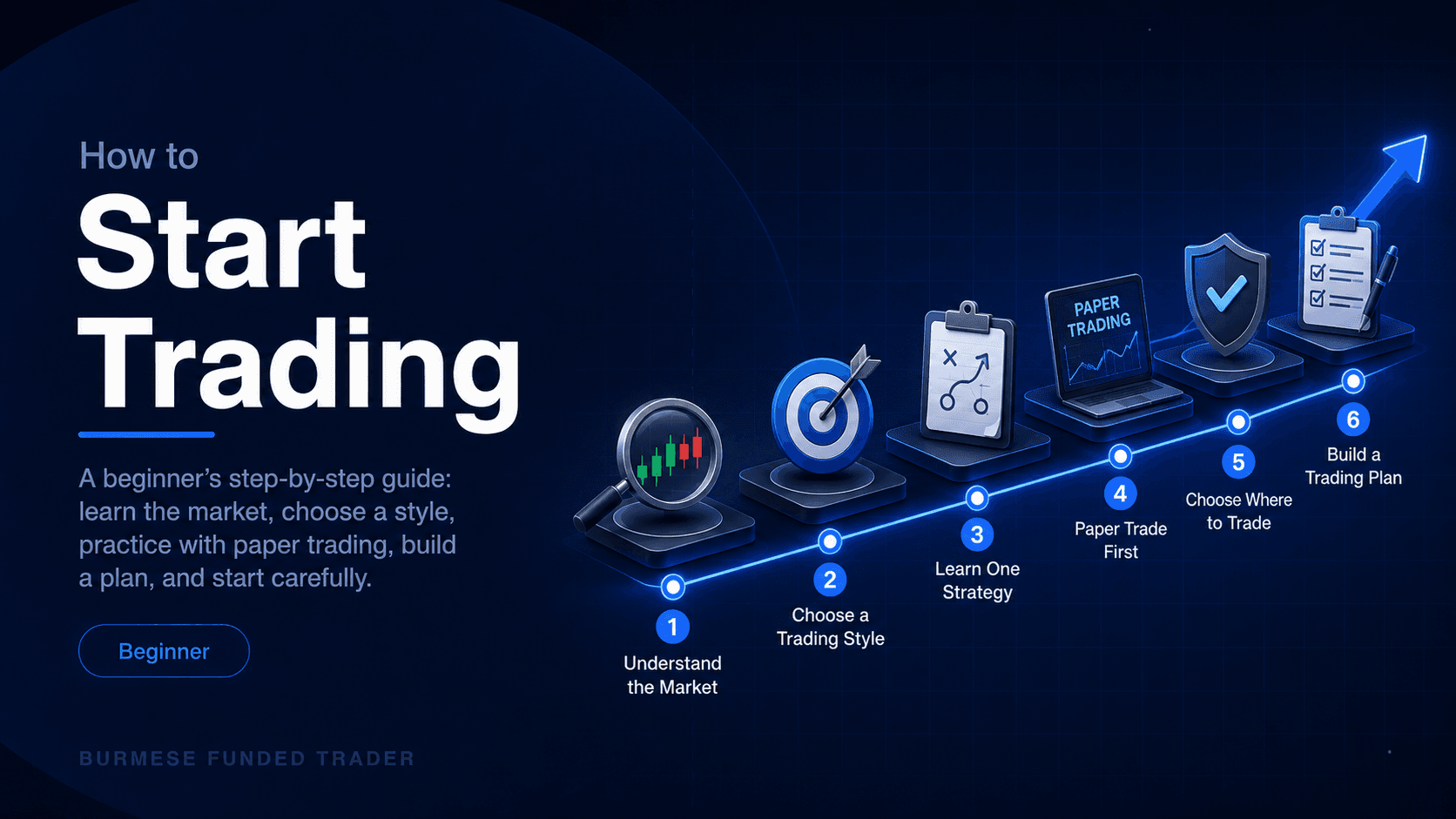
Starting trading can feel confusing for beginners. This guide explains the basic steps: learn the market, choose a trading style, practice with paper trading, build a trading plan, and start carefully.
Read More →